Blurred vision, double vision, or temporary vision loss in one or both eyes can be an early SOS signal. These changes may occur suddenly and disappear quickly.
Doctors explain that vision disturbances can result from reduced blood supply to areas of the brain responsible for visual processing.
4. Severe Headache With No Clear Cause
A sudden, intense headache — often described as “the worst headache of my life” — can be a warning sign, particularly of a hemorrhagic stroke.
If a severe headache appears abruptly, especially when accompanied by nausea, dizziness, or sensitivity to light, immediate medical attention is critical.
5. Loss of Balance, Dizziness, or Coordination
Sudden dizziness, trouble walking, or loss of coordination may signal that the brain’s balance centers are being affected.
People often attribute these symptoms to dehydration, low blood sugar, or fatigue. However, doctors warn that unexplained balance issues, especially when combined with other symptoms, should be evaluated urgently.
Why These Symptoms May Come and Go
One reason people ignore early stroke warnings is that symptoms can appear briefly and then disappear. This does not mean the danger has passed.
A TIA is often a final warning. Statistics show that a significant number of people who experience a TIA go on to have a full stroke within days or weeks if no treatment is started.
Who Is at Higher Risk
Doctors identify several risk factors that increase stroke likelihood, including:
-
High blood pressure
-
Diabetes
-
Smoking
-
High cholesterol
-
Heart disease
-
Obesity
-
Sedentary lifestyle
-
Age over 55
However, strokes can occur at any age, and early symptoms should be taken seriously regardless of risk profile.
What To Do If You Notice These Signs
Medical professionals stress one message above all others: do not wait.
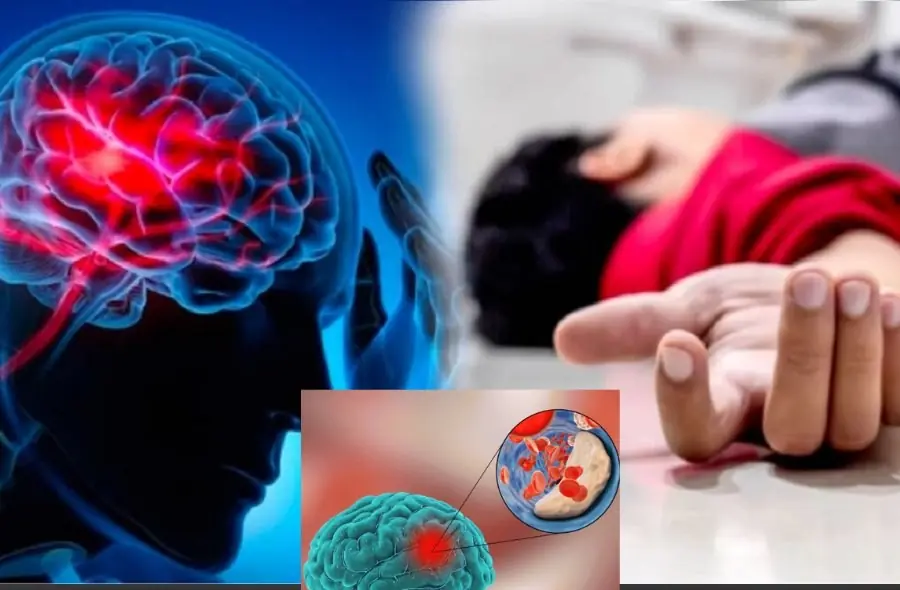
If any of these symptoms occur — even briefly — seek emergency medical care immediately. Early intervention can restore blood flow, limit brain damage, and save lives.
Remember the FAST rule:
-
Face drooping
-
Arm weakness
-
Speech difficulty
-
Time to call emergency services
What These Symptoms Do Not Mean
Doctors caution that:
-
These symptoms do not always mean a stroke is happening
-
Many conditions can mimic stroke signs
-
Only medical evaluation can determine the cause
However, it is always safer to rule out a stroke than to dismiss warning signs.
The Bottom Line
A stroke rarely comes without warning. The body often sends signals — subtle but serious — asking for attention.
Ignoring these SOS signals can have life-altering consequences. Acting quickly can mean the difference between recovery and permanent disability.
When it comes to stroke, hesitation is dangerous, but early action saves lives.
This article is for educational purposes only and does not replace professional medical advice. Anyone experiencing sudden neurological symptoms should seek emergency medical care immediately.
Continue reading by clicking the ( NEXT 》 ) button below !