Now that you understand the causes and myths, let’s move on to the practical, science-backed action plan to solve this.
- Step 1: Optimize Your Vitamin D and Get Some Sun
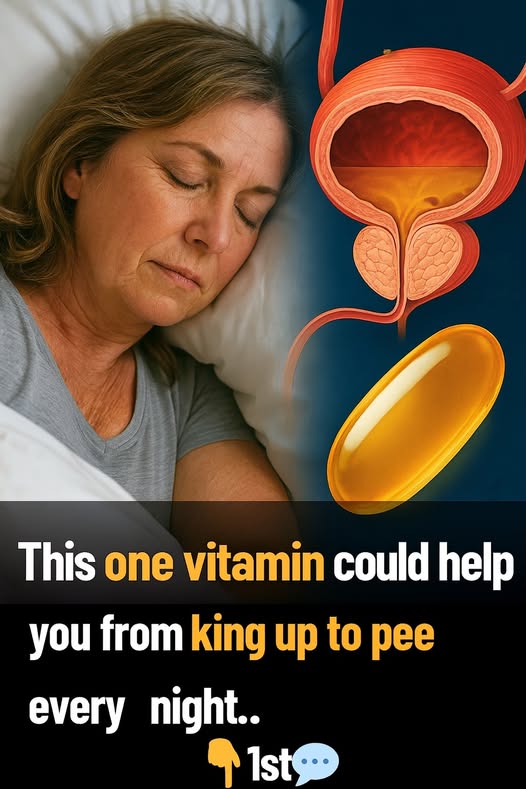
If you have a Vitamin D deficiency, correcting it can significantly help strengthen your bladder. The first step—and this is non-negotiable—is to talk to your doctor and request a blood test to check your levels. Only then will you know the appropriate supplement dosage for your body. To complement this, try to get 15-20 minutes of early morning sun exposure without sunscreen. This stimulates your body’s natural Vitamin D production. - Step 2: Master Your Fluid Intake
This isn’t about drinking less; it’s about drinking smarter. The golden rule is simple: aim to consume about 75% of your total daily liquids before 4:00 PM. This gives your kidneys the entire afternoon to process the bulk of that fluid, so they can slow down at night. Keep a water bottle with you and sip steadily throughout the morning and early afternoon, then taper off significantly in the evening. - Step 3: Use Strategic Fluid Release Techniques
These two techniques are game-changers that enhance everything else you’re doing. Double voiding: Just before bed, go to the bathroom, sit, urinate. When done, wait 30 seconds, relax, and urinate again without forcing. This extra step can prevent nighttime waking.
Gravity elevator: One to two hours before sleep, raise your legs above your heart. This way, gravity helps drain accumulated liquid, which you eliminate before sleeping.
Conclusion
This protocol isn’t magic; it’s science, physiology, and strategy. Nocturia does not have to be your life sentence. It’s not about resigning yourself to poor sleep; it’s about understanding what’s happening in your body and taking decisive action on multiple fronts. Vitamin D might be a key piece of the puzzle if you’re deficient, but the real power lies in the combination: adjusting your hydration habits, managing fluid retention in your legs, ensuring your bladder is truly empty, and avoiding alcohol at night.
Continue reading by clicking the ( NEXT 》 ) button below !