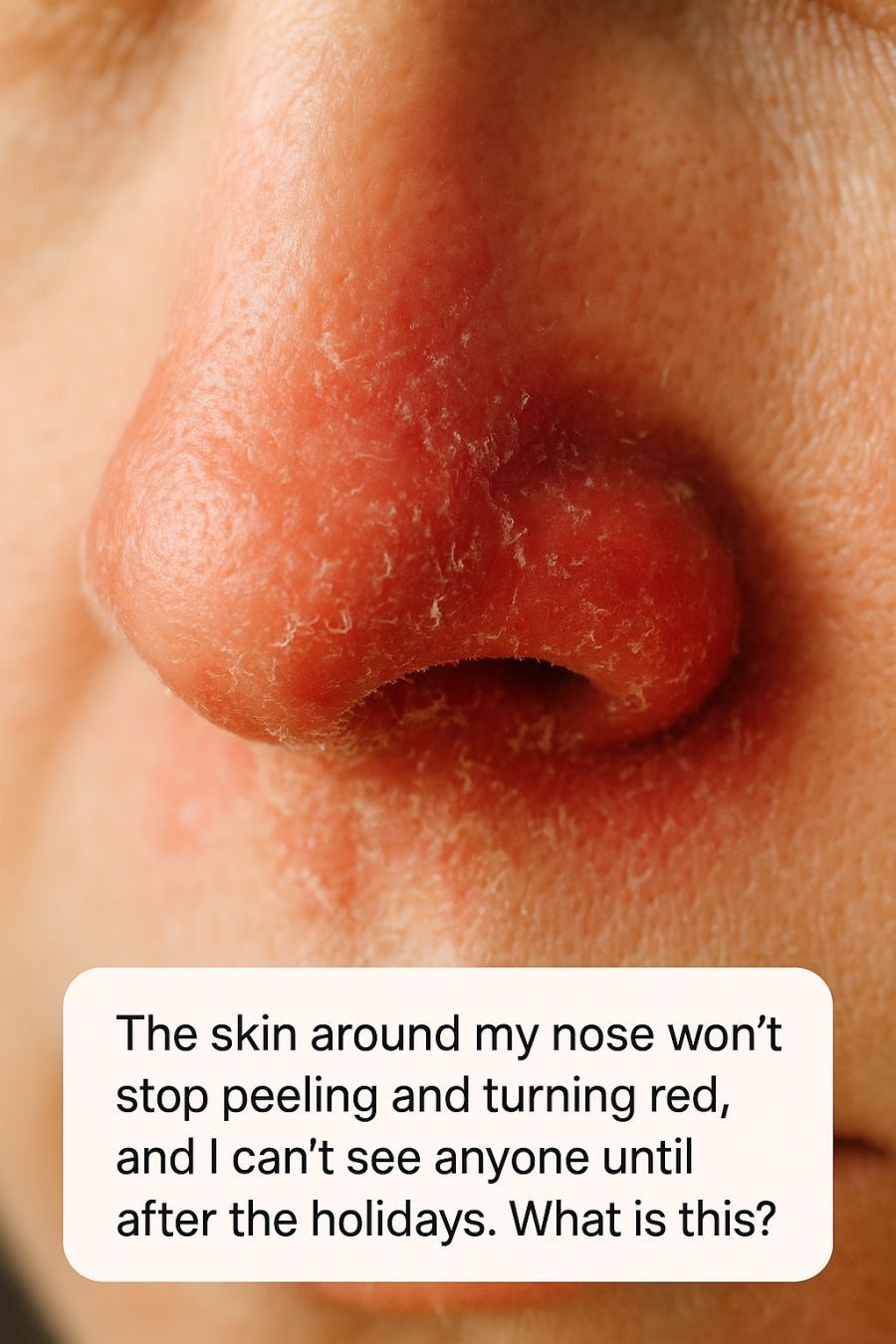
While seborrheic dermatitis is a common cause of nose peeling and redness, other conditions could be at play. Rosacea, for example, is a chronic inflammatory condition that causes redness and visible blood vessels in the face, often affecting the nose. It may also cause small, red, pus-filled bumps.
Allergic reactions to skincare products, perfumes, or even certain foods can also manifest as redness and peeling. If you’ve recently changed any products or have been exposed to new allergens, this could be the culprit. Eczema, another form of dermatitis, might also cause similar symptoms, particularly if you have a history of allergies or asthma.
6. Over-the-Counter Ingredients That Calm the Flare
Several over-the-counter treatments can help manage the symptoms of seborrheic dermatitis. Look for products containing anti-fungal ingredients like ketoconazole or clotrimazole, which target the underlying yeast overgrowth. Hydrocortisone cream can also help reduce inflammation and redness.
Moisturizers with soothing ingredients such as ceramides, hyaluronic acid, and glycerin can help restore the skin’s barrier. Avoid products with alcohol or fragrances, as these can further irritate the skin. Using a gentle, non-soap cleanser can also prevent additional dryness and irritation.
7. TikTok and Viral Hacks: What Helps and What Can Make It Worse
While social media platforms like TikTok can offer some creative skincare hacks, it’s important to approach these with caution. Some viral trends, like using harsh exfoliants or DIY masks with irritants like lemon juice, can worsen irritation and dryness.
However, some tips might be beneficial, such as using aloe vera gel for its soothing properties, or applying a light layer of honey, which has natural anti-fungal effects. Always patch-test new treatments on a small area of skin before applying them to your entire face to prevent adverse reactions.
8. A Gentle, Holiday-Proof Skincare Routine for Your Nose
To maintain healthy skin during the holiday season, stick to a gentle skincare routine. Start with a mild cleanser to remove dirt and oil without stripping moisture. Follow with a toner containing soothing ingredients like chamomile or green tea extract.
Apply a lightweight moisturizer to keep the skin hydrated, and consider using a barrier cream at night to lock in moisture. If you’re going outside, don’t forget to apply a broad-spectrum sunscreen, even in winter, as UV rays can exacerbate skin conditions.
9. Makeup and Concealer Tricks That Won’t Aggravate Your Skin
When applying makeup, choose products labeled as non-comedogenic and hypoallergenic to reduce the risk of irritation. Use a primer to create a smooth base and minimize flakiness before applying foundation. Opt for a cream-based foundation as opposed to powders, which can accentuate dryness.
For concealer, select a hydrating formula and apply it with a damp sponge to blend seamlessly. Avoid using too much product, as this can cake and emphasize flakes. Setting spray can help keep makeup in place without the need for additional powder.
10. At-Home Lifestyle Tweaks to Reduce Redness and Flaking
Adjusting your lifestyle can also help manage skin symptoms. Ensure you stay hydrated by drinking plenty of water, which helps maintain skin moisture. Humidifiers can add moisture to your indoor air, preventing your skin from drying out.
Maintain a balanced diet rich in omega-3 fatty acids, found in fish and flaxseeds, which can support skin health. Additionally, managing stress through activities such as yoga, meditation, or simple deep-breathing exercises can help reduce flare-ups.
11. Red-Flag Symptoms: When You Shouldn’t Wait to See a Doctor
Continue reading by clicking the ( NEXT 》 ) button below !