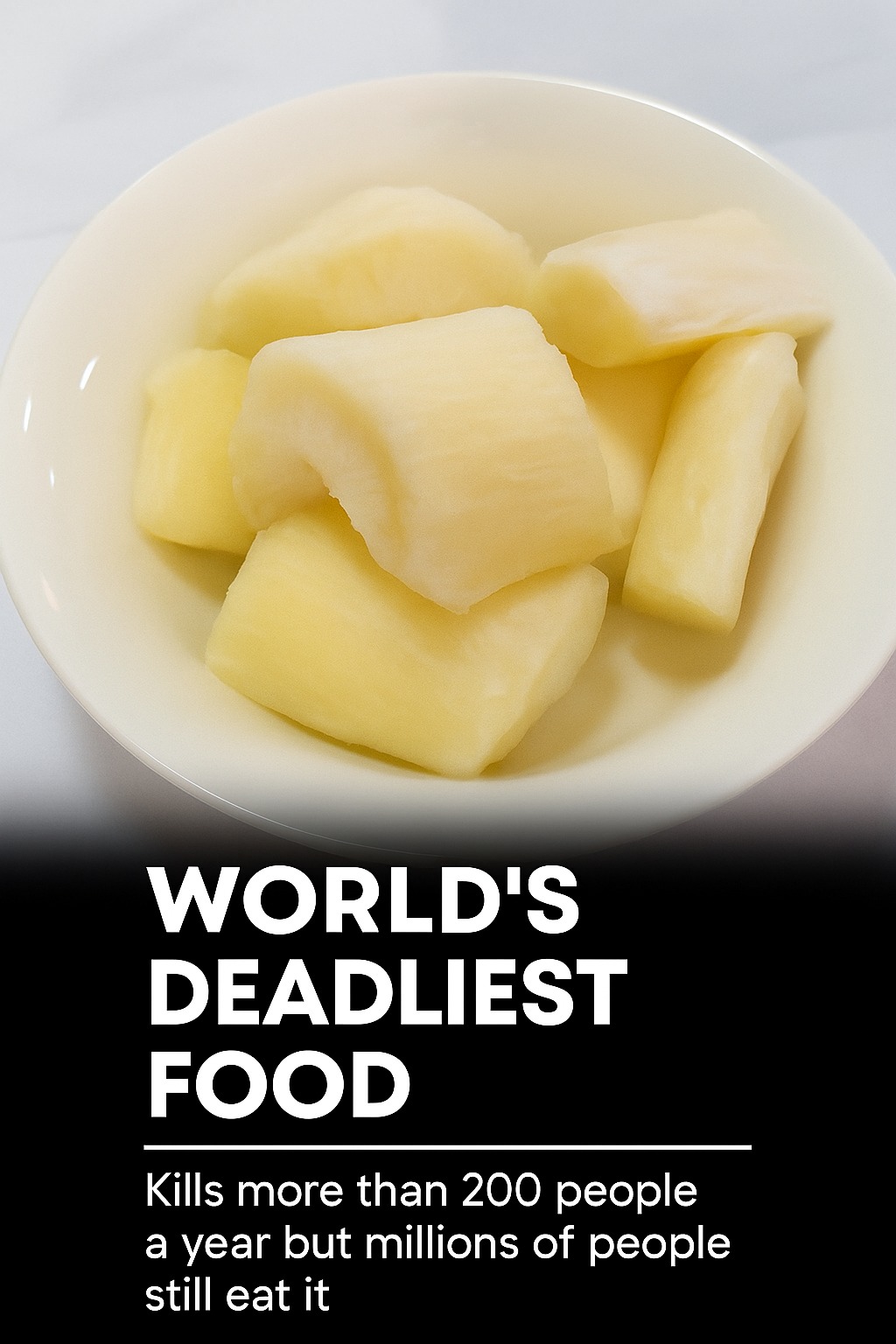
Cassava poisoning is rarely random; it is often a tragedy born of vulnerability and necessity. Cyanide exposure is typically the result of extreme socioeconomic conditions:
- Survival Harvesting: Drought or famine forces communities to harvest the crop prematurely, when cyanide levels are at their peak.
- Resource Scarcity: Poverty and food insecurity mean people are heavily reliant on cassava and lack the resources (like abundant water or time) needed for proper detoxification.
- Bypassing Tradition: Traditional detox methods—which require several days of soaking, drying, and cooking—are skipped due to desperation or urgency.
In essence, the food that offers the highest chance of survival in a crisis is the most dangerous when time, water, or knowledge is scarce.
III. The Path to Safety: Traditional Detoxification
The good news is that traditional, time-tested methods are remarkably effective at rendering cassava completely safe and nutritious. When prepared correctly, cassava provides energy, fiber, calcium, and B vitamins.
The Essential Safety Protocol:
- Peel Thoroughly: The highest concentration of toxins resides in the skin.
- Soak (1-3 Days): Submerging the cassava in water encourages fermentation, which breaks down the toxic cyanide compounds.
- Grate and Squeeze: Grating the root and pressing out the liquid removes the majority of the remaining toxic water.
- Dry: Spreading the cassava out in the sun further reduces moisture and evaporates residual toxins.
- Cook Completely: Thorough boiling, roasting, or frying neutralizes any cyanide compounds still remaining in the starch.
IV. A Symbol of Resilience and Vulnerability
Despite the risks, cassava remains indispensable because its agronomic qualities are unmatched in fragile environments:
- Resilience: It thrives in poor soils and harsh, drought-prone climates where other, more fragile food crops simply fail.
- Storage: The root can be left in the ground for months, serving as a critical famine reserve that can be harvested as needed.
- Cost-Effectiveness: It is high-yielding and low-cost, making it the most accessible calorie source for millions.
Cassava stands as a powerful symbol of contradiction: a food of cultural significance and economic importance that constantly reminds the world of the high stakes involved in food security.
Global efforts are underway—from breeding safer, low-cyanide varieties to promoting industrial processing and educating communities—to ensure this life-giving crop never becomes a threat. The tragedy is not that people eat cassava, but that many are too vulnerable to prepare it safely.
Continue reading by clicking the ( NEXT 》 ) button below !