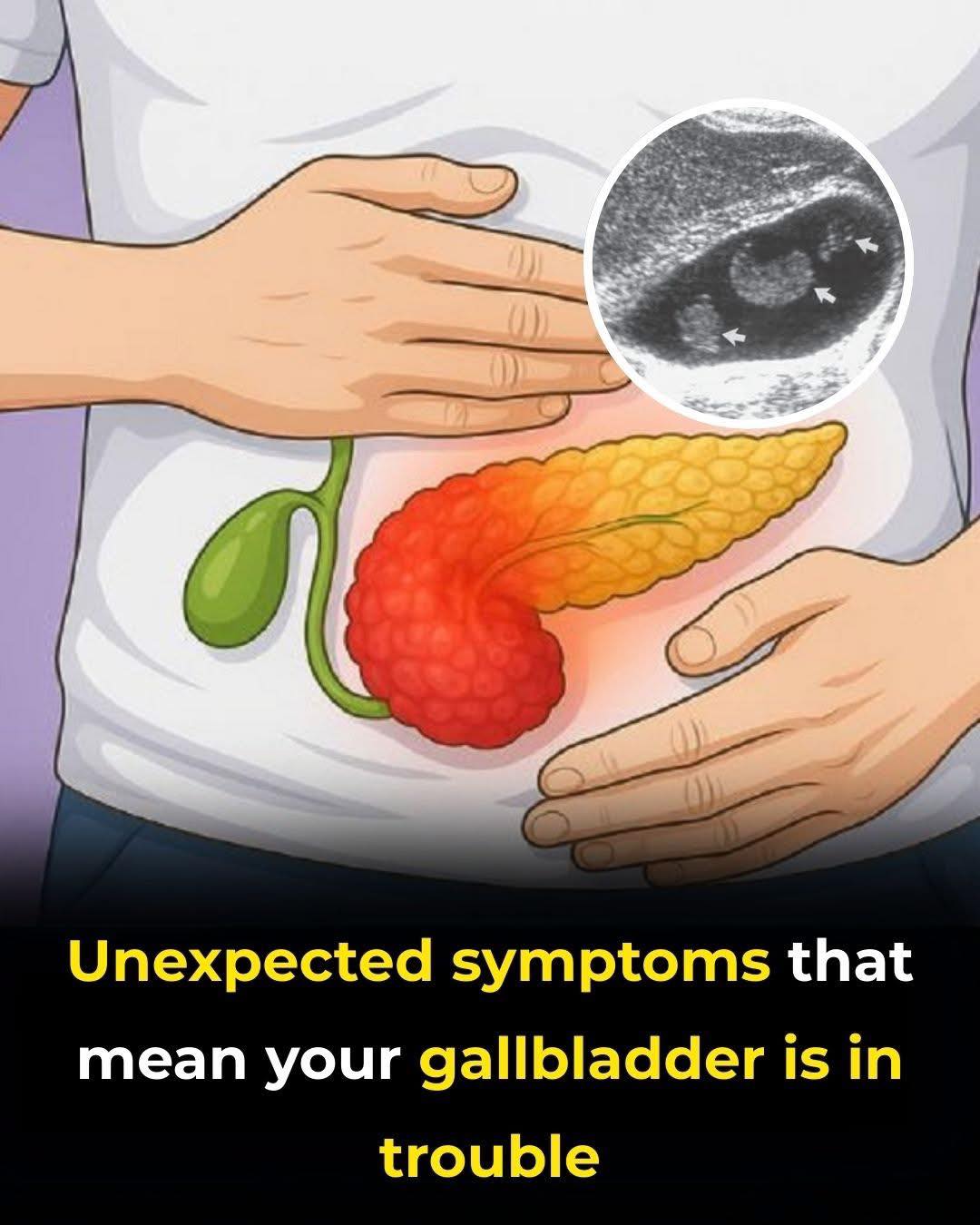
Some symptoms indicate more serious gallbladder dysfunction and require medical attention.
Changes in Stool and Urine Color
Blocked bile flow may result in dark urine and pale, gray, or clay-colored stools. These changes occur because bile pigments are not reaching the intestines properly.
Jaundice
Yellowing of the skin or the whites of the eyes can occur when bilirubin builds up in the bloodstream. This may signal a bile duct blockage or a more serious liver or gallbladder condition.
Symptoms of Gallbladder Infection
Infections often develop when bile ducts are blocked. Symptoms include severe abdominal pain, fever, chills, sweating, and weakness. Without treatment, infections can spread to the liver or pancreas and become life-threatening.
Common Gallbladder Conditions
Several medical conditions can cause gallbladder symptoms:
-
Cholecystitis: Inflammation of the gallbladder, often caused by gallstones
-
Gallstones: Hardened deposits of bile that can block bile ducts
-
Gallbladder polyps: Small growths that may cause intermittent pain
-
Choledocholithiasis: Gallstones lodged in the common bile duct
-
Gallbladder abscess: A severe infection filled with pus
-
Cholangitis: Inflammation of the bile ducts
-
Porcelain gallbladder: Calcium buildup that hardens the gallbladder wall
-
Gallstone ileus: Intestinal blockage caused by gallstones
-
Ruptured gallbladder: A medical emergency often caused by trauma or severe inflammation
-
Gallbladder cancer: Rare, but possible in chronic cases
How to Manage Gallbladder Problems
Many gallbladder symptoms can be reduced through diet and lifestyle changes.
Gallbladder-Friendly Diet
A healthy gallbladder diet avoids fried foods, fatty meats, processed foods, pastries, and high-cholesterol meals. Instead, focus on:
-
Whole grains
-
Lean protein (fish, poultry)
-
Fruits and vegetables
-
Low-fat dairy products
Moderate coffee consumption and limited alcohol intake may also help reduce gallstone risk.
Natural Remedies and Supplements
-
Apple cider vinegar and apple juice: May help soften gallstones and reduce pain
-
Peppermint: Peppermint tea or oil can soothe digestive and biliary discomfort
-
Vitamin C: Supports bile production and may help prevent gallstone formation
Gallbladder cleanses are popular but lack scientific evidence and may cause side effects such as nausea and diarrhea.
When to See a Doctor
You should seek medical care immediately if you experience:
-
Sudden, severe upper right abdominal pain
-
Pain spreading to the back or shoulder
-
Fever and chills
-
Persistent nausea and vomiting
-
Pale stools or dark urine
-
Yellowing of the skin or eyes
Early diagnosis and treatment can prevent serious complications and improve long-term outcomes.
Continue reading by clicking the ( NEXT 》 ) button below !