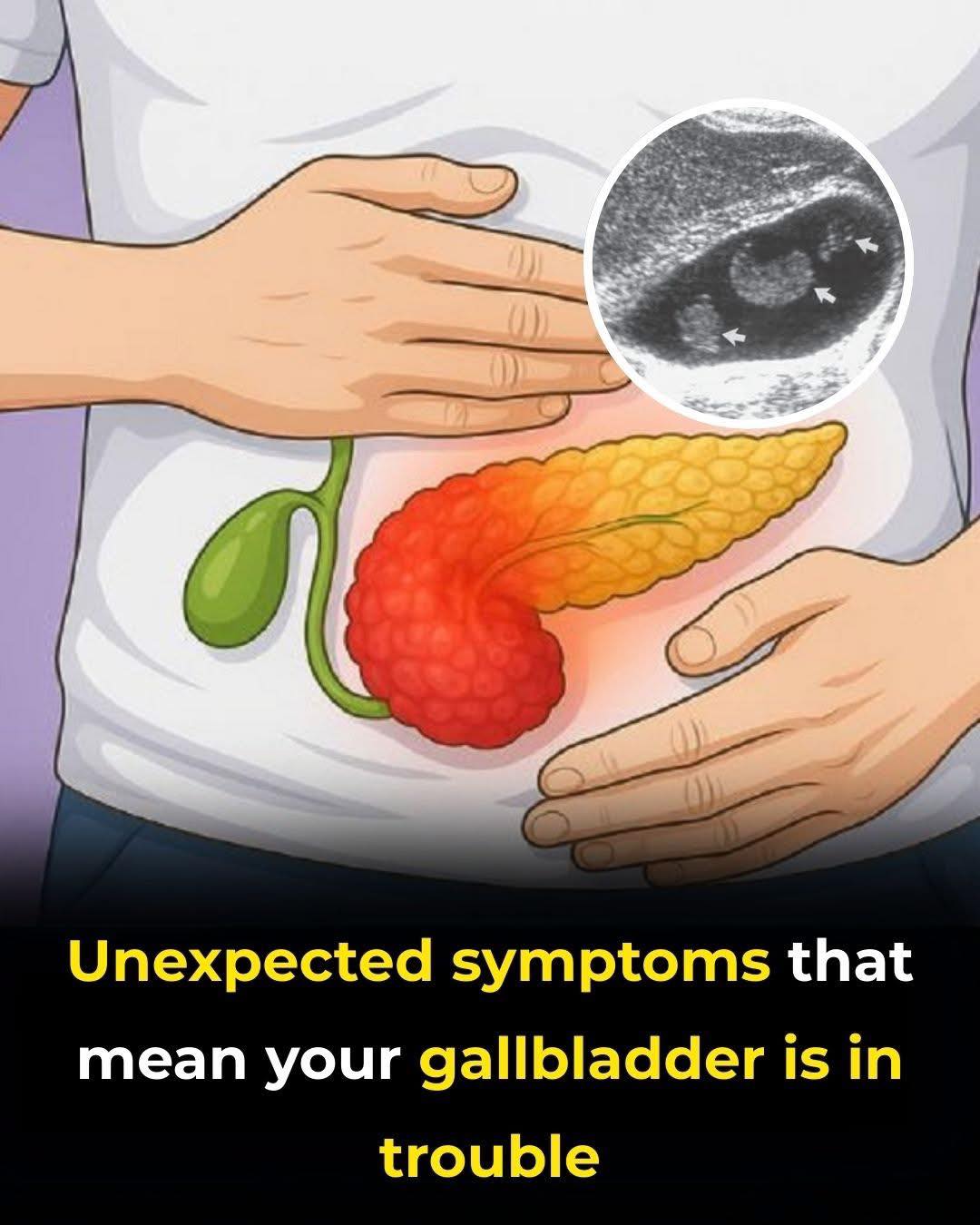
Most gallbladder-related conditions cause intense pain in the upper right area of the abdomen that can last anywhere from a few hours to several days. While gallstones are the most common cause of gallbladder disease, they are not the only reason the gallbladder may malfunction. Inflammation, infections, blockages, or abnormal growths in the gallbladder can also lead to symptoms such as shoulder pain, chest discomfort, nausea, vomiting, and noticeable changes in bowel movements.

Experiencing a gallbladder attack is often extremely uncomfortable and distressing. The pain can become severe and interfere with daily activities. In many cases, these attacks signal the need for dietary and lifestyle changes to reduce symptoms and lower the risk of complications such as gallbladder removal (cholecystectomy). Fortunately, many people can manage gallbladder problems effectively through healthier habits and early intervention.
This article explains the most common signs and symptoms of gallbladder disease, outlines possible causes, and discusses practical steps you can take to relieve symptoms and protect your digestive health.
What Is the Gallbladder and Where Is It Located?
The gallbladder is a small, pear-shaped organ measuring approximately 6–10 centimeters in length. It is located beneath the liver on the right side of the upper abdomen, just under the rib cage.
According to Encyclopaedia Britannica, the gallbladder stores around 50 milliliters of bile, a digestive fluid produced by the liver. Bile contains bile salts, cholesterol, and pigments such as bilirubin. Bilirubin is responsible for the yellow color of urine and the brown color of stool, which explains why gallbladder disorders often cause noticeable changes in urine and stool appearance.
The gallbladder’s primary function is to release bile into the small intestine during digestion, especially after eating fatty foods. This bile helps break down fats so they can be absorbed efficiently. The gallbladder is part of the biliary system, which plays a crucial role in digestion and waste removal.
Common Symptoms of Gallbladder Problems
Recognizing gallbladder symptoms early can help determine whether discomfort is caused by gallstones, infection, inflammation, or another underlying condition.
Intense Pain
Pain is the most recognizable symptom of gallbladder disease. It often begins gradually, intensifies within the first hour, and may last for hours or even days.
-
Upper right abdominal pain: This pain is typically felt under the ribs and is described as a deep, constant ache. It is commonly associated with gallstones, cholecystitis, or bile duct inflammation.
-
Right shoulder pain: Gallbladder pain often radiates to the right shoulder or the area between the shoulder blades.
-
Back pain: Many individuals experience pain spreading from the abdomen to the middle or upper back.
-
Chest pain: Gallbladder inflammation can sometimes mimic heart-related pain, causing squeezing or pressure-like discomfort in the chest.
Any combination of severe upper abdominal pain and chest discomfort should never be ignored.
Nausea and Vomiting
Nausea and vomiting frequently accompany gallbladder pain. These symptoms occur because bile flow is disrupted, interfering with digestion. The discomfort usually does not improve after passing gas or having a bowel movement, which helps distinguish gallbladder pain from other digestive issues.
Diarrhea
Gallbladder dysfunction can cause frequent or chronic diarrhea, particularly after eating fatty or spicy foods. Since bile helps digest fats, reduced bile release can lead to poor fat absorption, triggering loose stools. Soothing remedies such as ginger tea or herbal digestive teas may help reduce symptoms.
Acid Reflux or Bile Reflux
A poorly functioning gallbladder can contribute to reflux symptoms. Bile reflux occurs when bile flows backward into the stomach, causing burning pain, nausea, and vomiting. Acid reflux, on the other hand, results from excess stomach acid entering the esophagus. Both conditions are commonly reported among people with gallstones.
Bloating and Abdominal Fullness
Blockages or inflammation in the gallbladder may cause bloating and pressure in the upper abdomen. This discomfort often occurs alongside sharp right-sided pain and may last throughout a gallbladder attack. Reducing fatty foods and managing stress can help minimize bloating episodes.
Additional Warning Signs of Gallbladder Disease
Continue reading by clicking the ( NEXT 》 ) button below !