Sometimes, extreme frugality does not save money at all — instead, it quietly damages our health. In particular, there are three “invisible killers” hiding in the kitchen that can be even more harmful than reused or dirty cooking oil.
The holiday had just ended. Every time I return to my parents’ home in the countryside and open their refrigerator, I am greeted by a familiar scene.
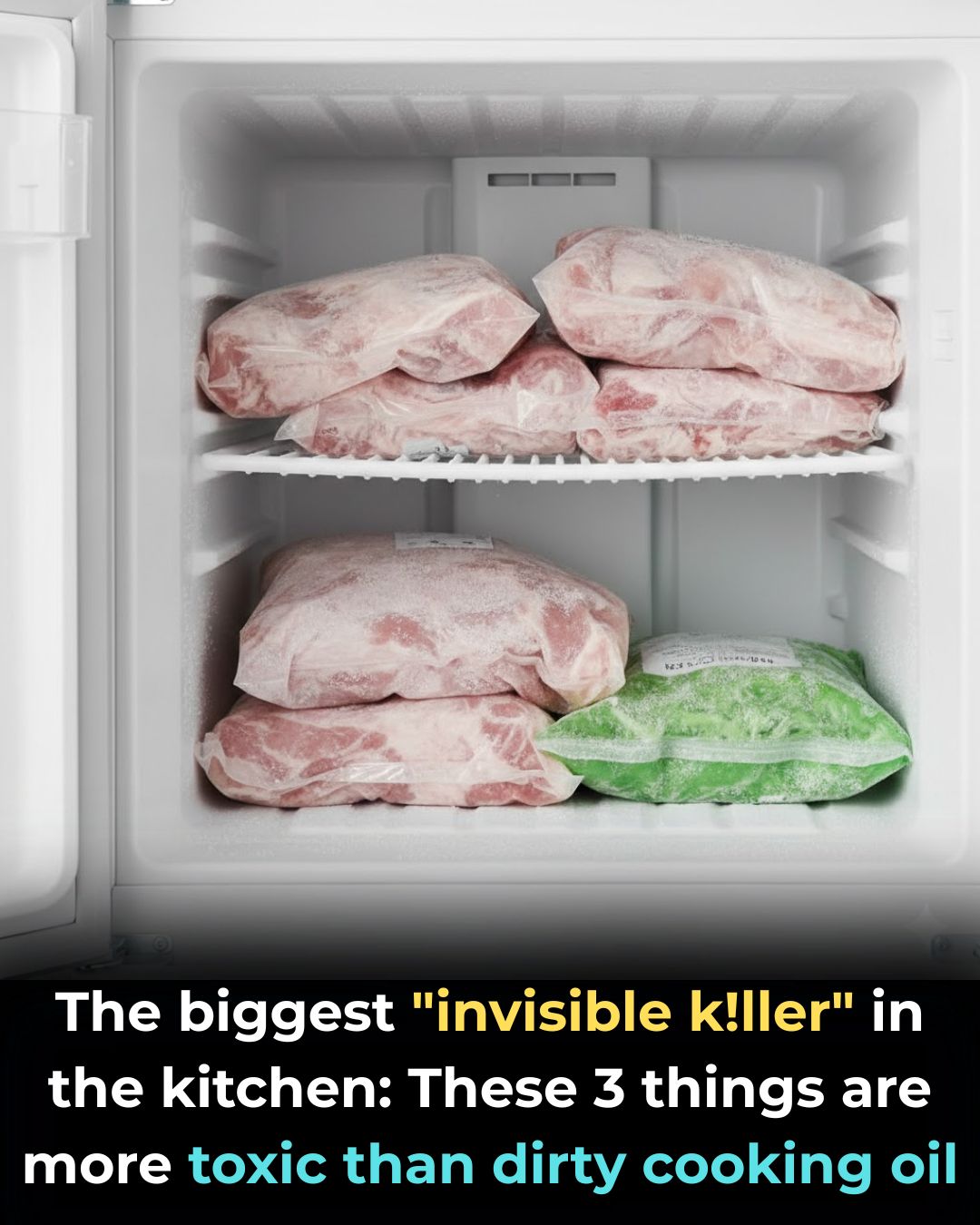
The freezer is crammed with plastic bags, many of them labeled with notes such as: “Leftovers from last Lunar New Year,” “Meat given by the neighbor,” or “Leftover fish from someone else’s wedding.” Whenever I raise concerns, my parents respond the same way: “It’s still edible. Don’t waste food.”
For the older generation, saving is a virtue, and waste is a sin. What they often fail to realize is that excessive saving not only fails to protect finances, but can also seriously harm health. Among these three kitchen hazards, two are directly caused by over-frugality — and they pose an even greater danger to the elderly and young children.
1. Frozen Food Stored for Too Long
During the National Day holiday, my mother took out a piece of meat from the very bottom of the freezer and said, “You bought this last time you came home.”
When I checked the label, I was shocked — it was dated nearly a year earlier. I immediately said, “Mom, this has turned into a block of ice. We need to throw it away.”
She replied calmly, “How could frozen food go bad? Meat is expensive these days.”
What many elderly people do not realize is that meat is not stone. Even at the lowest temperatures, food continues to change over time. Many frozen meats that appear perfectly fine have actually undergone long-term “invisible decomposition.”
Most vitamins are lost, proteins become denatured, and the nutritional value is largely destroyed. Although the taste may seem acceptable, for the body it is little more than “nutritionless meat.”
Research shows that frozen meat stored for more than 12 months can lose nearly 30% of its nutritional value and may also produce nitrites and other harmful substances.
2. Chopsticks and Cutting Boards Used for Years
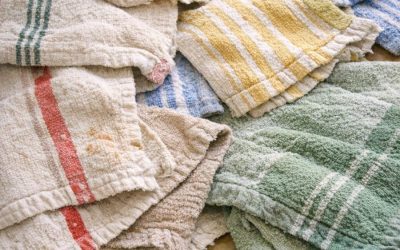
To be honest, what frightens me more than old frozen meat are the chopsticks and cutting boards that have been used for countless years — sometimes even passed down through generations.
Not long ago, I read a medical report about a woman who went to the hospital with severe abdominal pain. Doctors discovered aflatoxin in her stomach. After tracing the source, they found the main cause was the wooden chopsticks her family had been using for five years.
No matter how clean wooden or bamboo chopsticks and cutting boards may look, they inevitably contain tiny cracks and scratches. During washing, grease and food residue seep into these crevices. A warm, humid kitchen environment then becomes a perfect breeding ground for mold.
These molds remain hidden, quietly waiting for the opportunity to enter our bodies.
Older generations often follow a simple rule: “Replace it only when it’s broken; keep using it if it still works.” It’s not that they don’t value their health — they are simply accustomed to saving money for others and unwilling to spend it on themselves.
If you ever notice black discoloration or spots on chopsticks, replace them immediately. A pair of wooden chopsticks costs very little, but the health consequences of using moldy ones can be devastating.
3. The Sugar Trap
Continue reading by clicking the ( NEXT 》 ) button below !