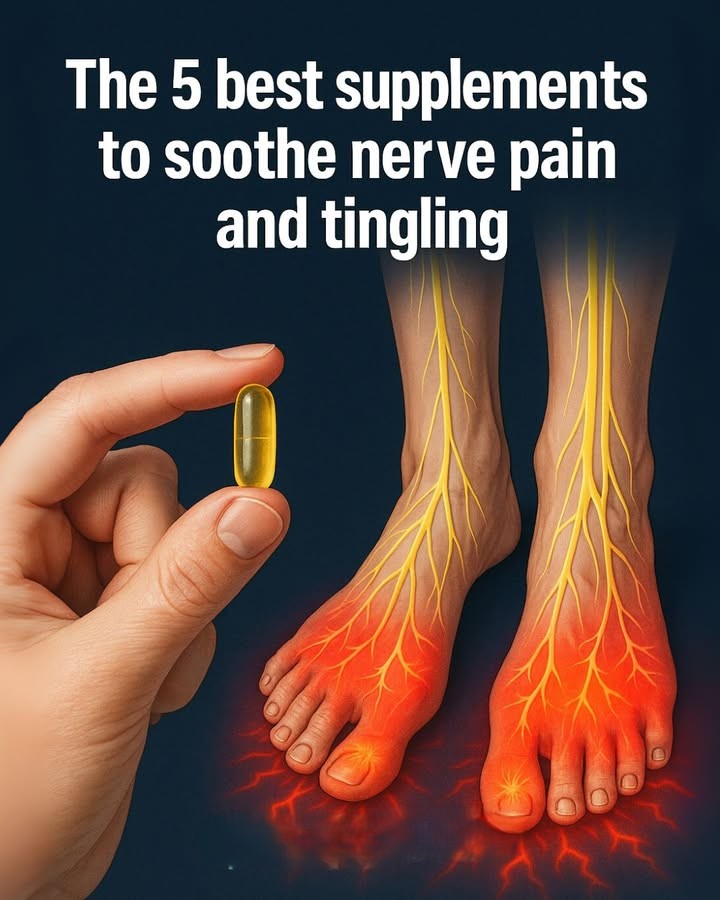
Coming in at number five is N-acetylcysteine, or NAC for short. This supplement is derived from the amino acid L-cysteine and is naturally present in foods like lentils, beans, and bananas. So, how does it help your nerves? NAC is thought to improve neuropathy symptoms by suppressing the activation of something called matrix metalloproteinases. You can think of these as key culprits in producing and worsening nerve inflammation. By calming them down, NAC helps reduce the inflammation around your nerves.
Studies have shown that NAC can reduce the pain and debility that come with peripheral neuropathy. While more research is always needed—and much of it is currently in progress—there is enough positive data and clinical experience to place NAC firmly on this list. It’s a promising option for taming the inflammatory fire that contributes to your nerve pain. A typical dosage is between 600 to 1,200 milligrams daily, but again, this is not individual medical advice. You need to have a conversation with your doctor to determine if NAC is right for you and what dosage you should take.
4. Omega-3 Fatty Acids
At number four, we have omega-3 fatty acids—the essential healthy fats your body loves. You’ve likely heard about them for improving heart health or reducing overall inflammation, but their benefits extend to your nervous system as well. Studies have shown that omega-3s may play an important role in preventing further damage to your nerves. Even more exciting, they may actually help your nerves regenerate after damage has occurred.
Clinical studies have demonstrated a reduction in nerve pain for patients taking omega-3s. While we’re waiting for larger studies to give us more exact recommendations, the existing evidence is very encouraging. There is significant animal data suggesting a large therapeutic effect on nerve health, supported by human data showing it reduces pain in people suffering from neuropathy. I’ve ranked omega-3s here not just for their direct nerve benefits but also for their incredible range of other positive health effects. When you take a supplement, it affects your whole body. The fact that omega-3s also improve heart health, reduce anxiety and depression, and lower overall inflammation makes them a particularly appealing choice.
You can increase your omega-3 intake through your diet. Small, cold-water fish like salmon, cod, and sardines are excellent sources with relatively low mercury content. For plant-based options, turn to flax seeds, chia seeds, and walnuts. Supplementation is another great way to boost your intake, with typical doses around 1 to 3 grams per day. However, be prudent. Omega-3s can have a blood-thinning effect, and doses over one gram per day have been associated with a slightly increased risk of atrial fibrillation. As always, talk to your doctor.
3. Acetyl-L-Carnitine (ALCAR)
Continue reading by clicking the ( NEXT 》 ) button below !