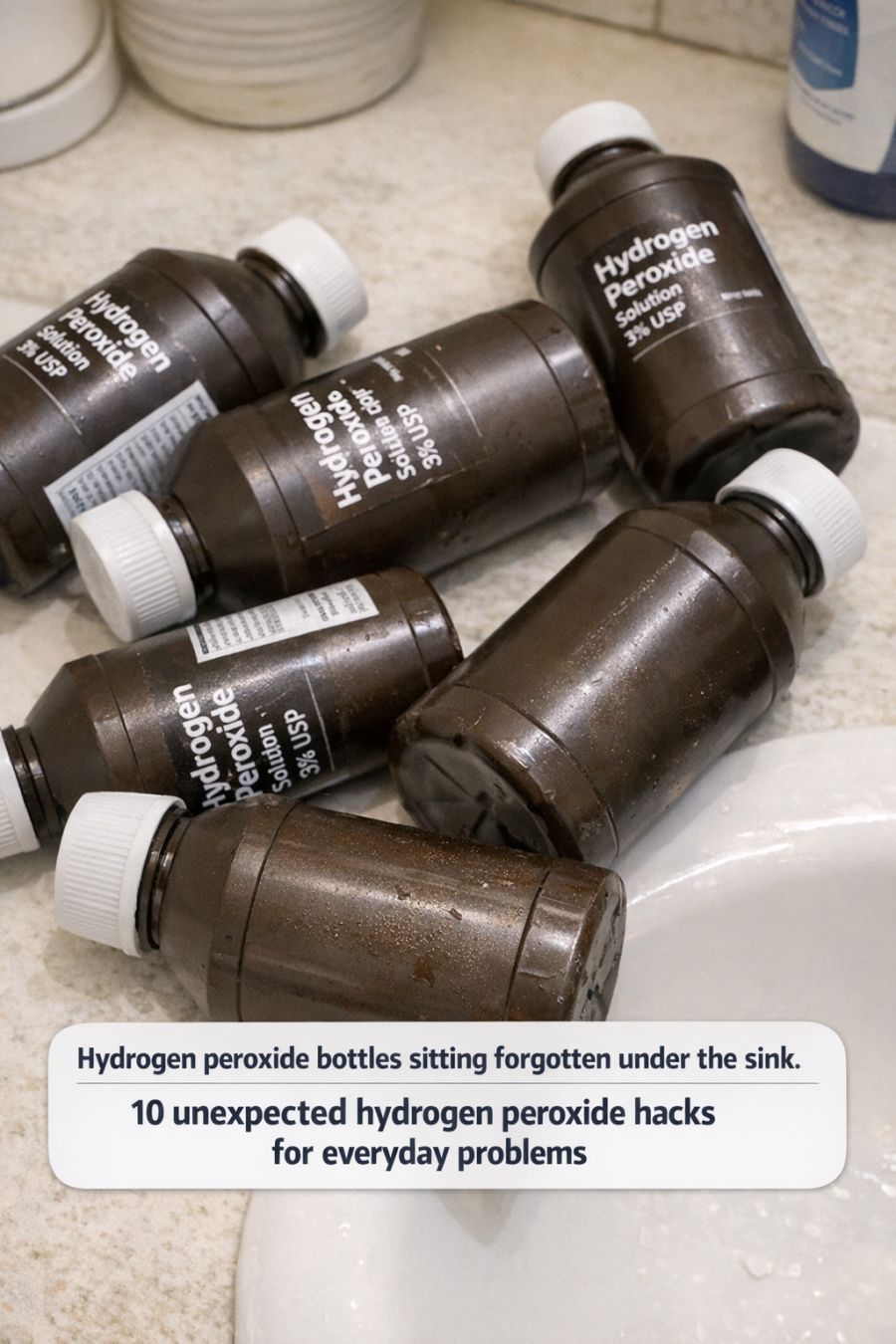
Hydrogen peroxide, a common household item, often sits unnoticed under kitchen sinks or in bathroom cabinets. While many people recognize it as a first-aid antiseptic, this versatile solution offers a plethora of uses beyond cleaning cuts and scrapes. Its chemical properties make it an excellent disinfectant, bleach, and deodorizer, suitable for various household tasks.
In this article, we explore ten unexpected hacks using hydrogen peroxide that can address everyday problems. Whether you're looking to brighten your laundry, disinfect your kitchen tools, or tackle stubborn stains, these tips will help you put that forgotten bottle to good use.
Advertisement
1. Revive Yellowing Pillows And Towels Without Bleach
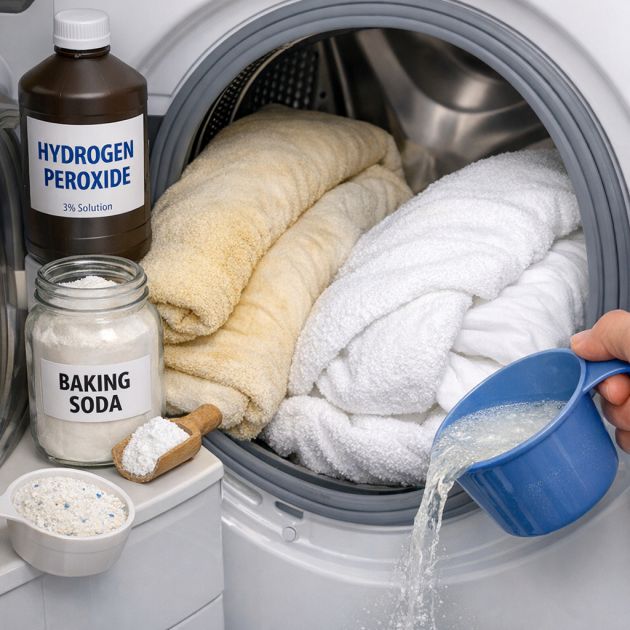
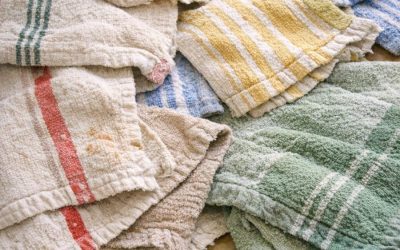
Yellowing pillows and towels can be an eyesore in an otherwise clean home. To restore their original whiteness without harsh chemicals, mix one cup of hydrogen peroxide with half a cup of baking soda. Add this mixture to your washing machine along with your regular detergent. The peroxide acts as a bleaching agent, while the baking soda helps to lift dirt and grime. Run your washer on a hot cycle, and you'll notice a significant difference in the brightness of your linens.
This method is not only effective but also gentle on fabrics, making it a great alternative for those with sensitive skin who want to avoid traditional bleach products.
2. Disinfect Cutting Boards And Kitchen Sponges On The Cheap
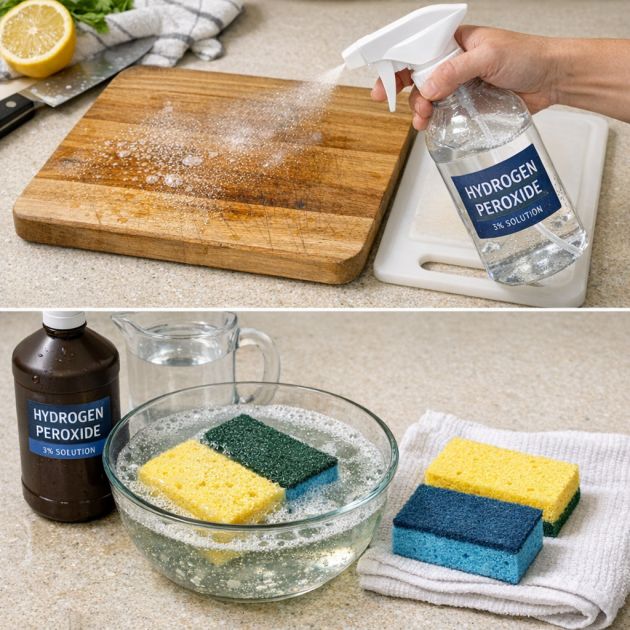
Cutting boards and kitchen sponges are breeding grounds for bacteria, but a simple hydrogen peroxide solution can help keep them sanitary. After washing your cutting boards with soap and water, spray them with undiluted hydrogen peroxide and let it sit for a few minutes before rinsing thoroughly. This will help eliminate harmful bacteria and odors.
For kitchen sponges, soak them in a mixture of equal parts water and hydrogen peroxide for 10-15 minutes. Rinse and squeeze out excess liquid, and your sponges will be fresh and ready for use again.
3. Rescue Stained Mugs, Food Containers, And Countertops
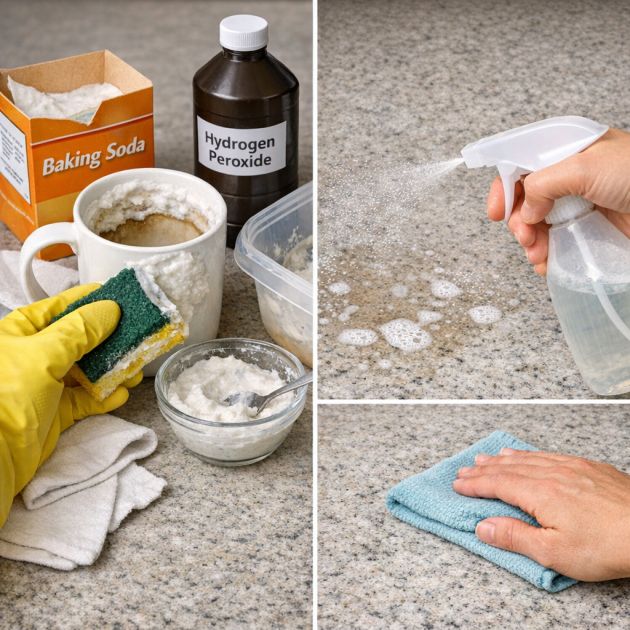
Coffee and tea can leave stubborn stains on mugs and food containers, while countertops can accumulate a range of stains from everyday use. For mugs and containers, create a paste using hydrogen peroxide and baking soda. Apply the paste to the stained areas, let it sit for 15-20 minutes, then scrub with a sponge or cloth. Rinse thoroughly to reveal stain-free surfaces.
For countertops, spray a hydrogen peroxide solution (equal parts water and hydrogen peroxide) onto the surface and let it sit for a few minutes before wiping clean with a damp cloth. This method not only removes stains but also disinfects the surface.
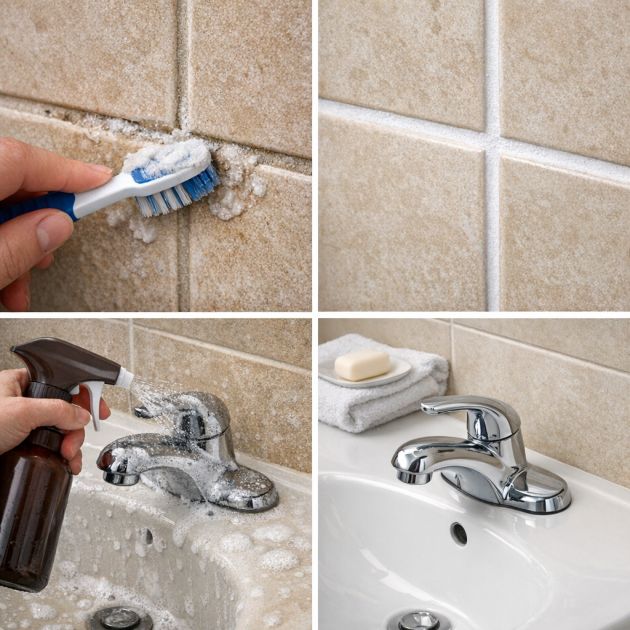
4. Whiten Grout And Refresh Dingy Bathroom Surfaces