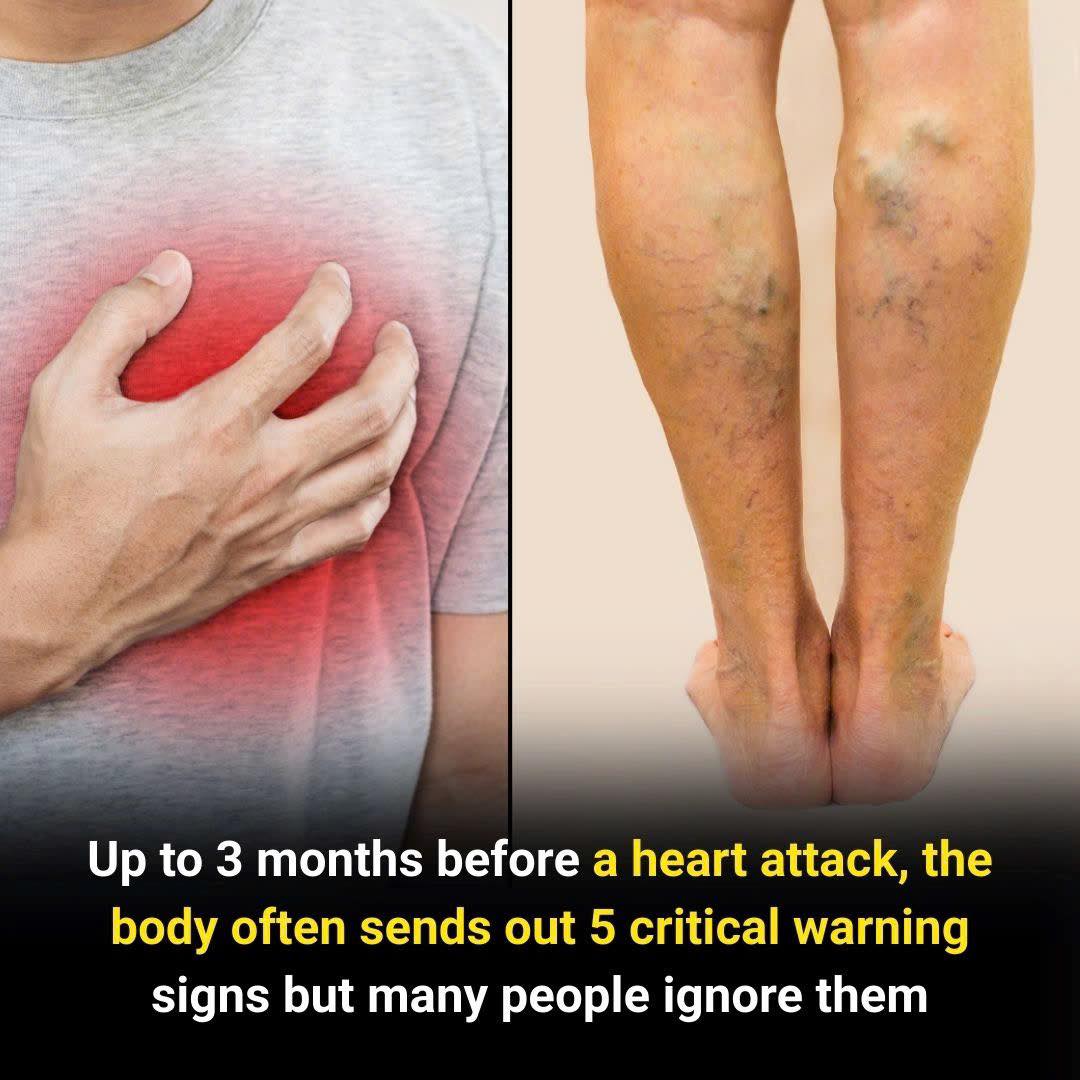
Up to Three Months Before a Heart Attack, the Body May Send Silent Warnings
Heart attacks rarely come completely out of nowhere. In many cases, the body begins sending warning signals weeks or even months in advance, quietly hinting that something is wrong. Unfortunately, these signs are often misunderstood, ignored, or brushed off as stress, aging, or everyday discomfort.
Medical experts suggest that up to three months before a heart attack, the body may show five critical warning signs. Recognizing these early symptoms can make the difference between timely treatment and a life-threatening emergency.
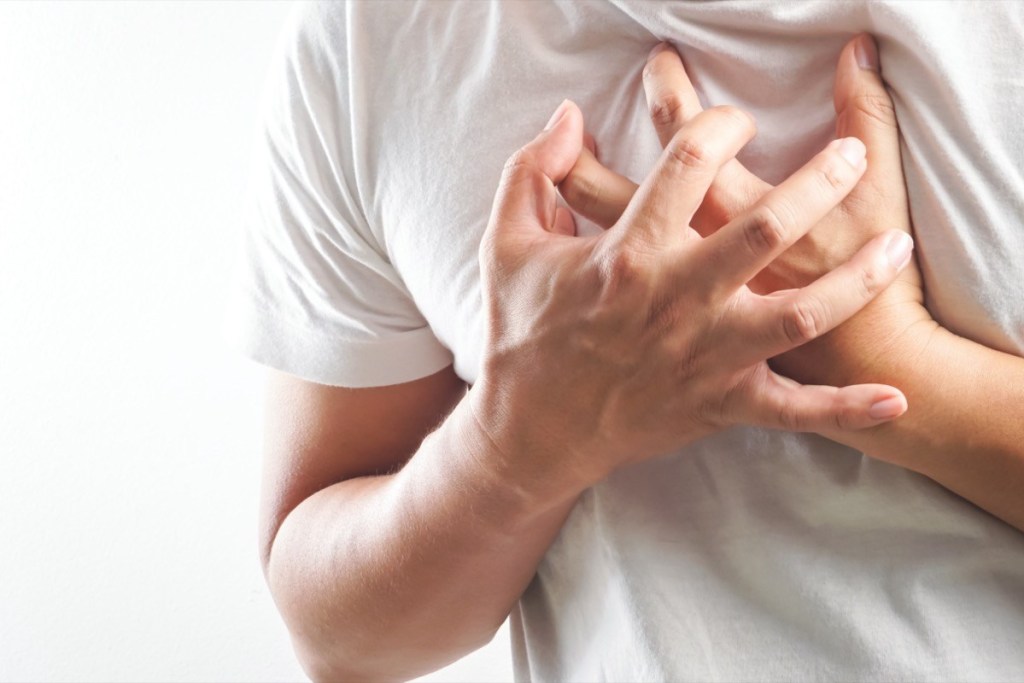
1. Chest Discomfort That Comes and Goes
One of the most common early warning signs is chest discomfort, but it does not always feel like sudden, crushing pain.
Many people describe it as:
-
Pressure or tightness
-
A burning or squeezing sensation
-
Mild pain that appears, fades, and returns
Because this discomfort may be intermittent, people often dismiss it as acid reflux, muscle strain, or anxiety. However, recurring chest discomfort—especially during physical activity or stress—should never be ignored. It can signal reduced blood flow to the heart long before a heart attack occurs.
2. Unusual Fatigue Without a Clear Reason
Feeling tired after a long day is normal. Feeling exhausted after minimal effort is not.
In the months leading up to a heart attack, some people experience:
-
Persistent fatigue
-
Weakness during routine activities
-
A feeling of being “drained” for no obvious reason
This happens because the heart is struggling to pump enough blood, forcing the body to work harder. Many individuals—especially women—mistake this symptom for stress, lack of sleep, or burnout, delaying medical attention.

3. Shortness of Breath During Simple Activities
Breathlessness is another warning sign that often appears early.
You may notice:
-
Difficulty breathing while walking short distances
-
Feeling winded when climbing stairs
-
Needing to stop and rest more often than usual
This symptom can occur with or without chest pain, making it especially dangerous. When the heart cannot pump efficiently, oxygen levels drop, causing the lungs to work harder. If shortness of breath feels new, sudden, or worsening, it deserves immediate attention.
4. Swelling in the Legs, Ankles, or Feet
Swelling in the lower body may seem unrelated to heart health, but it can be a serious signal.
When the heart weakens:
-
Blood circulation slows
-
Fluid begins to accumulate in the legs and feet
-
Ankles and calves may appear swollen or discolored
This is often linked to poor circulation and early heart failure signs. Many people blame long hours of standing or aging, but persistent swelling should not be ignored, especially when combined with fatigue or breathlessness.