Aluminum Foil in the Freezer: What It Helps With—and What It Doesn’t
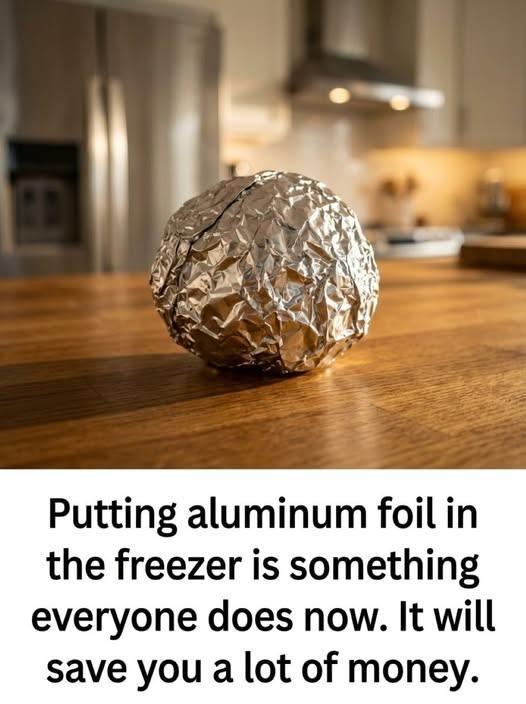
Aluminum foil often gets crowned the unsung hero of the freezer. It’s already in most kitchens, bends easily around food of any shape, and feels like it seals things up with almost no effort. For many households, it’s simply how freezing has always been done. We watched parents and grandparents wrap leftovers, meat, or casseroles in foil and tuck them into the freezer without a second thought.
But if keeping food fresh and flavorful really matters to you, it helps to know the full picture. Aluminum foil is useful—but it’s not foolproof. Used the right way, it can protect food well. Used on its own or incorrectly, it can quietly lead to dryness, flavor loss, and disappointing results.
Where Aluminum Foil Shines
Foil’s biggest strength is protection. It blocks light and limits exposure to oxygen—two major causes of quality loss in frozen food. Oxygen triggers oxidation, which is why older frozen foods sometimes taste stale or “off.”
Aluminum foil works best for:
- Large cuts of meat: Steaks, roasts, and similar items benefit from an extra protective layer.
- Short-term freezing: Ideal for foods you’ll use within a few days.
- Outer wrapping: Great as a tough exterior over more delicate packaging.
Because foil molds closely to food, it also helps minimize air pockets at the start.
Where Foil Has Limitations
Even though it looks sealed, aluminum foil isn’t truly airtight. Small folds, seams, or creases can let air slip in over time, which may cause:
- Freezer burn: The most common issue with foil-only wrapping.
- Dry or tough texture: Especially noticeable on meat.
- Faded flavor: Foods lose their freshness faster.
Cold temperatures can also make foil brittle, increasing the chance of tiny tears you may not notice. Once that happens, freezer air has direct access. Acidic foods—like tomato-based sauces, citrus marinades, or vinegar-heavy dishes—can also react with foil, sometimes causing off-flavors or dark marks.
What’s Really Behind Freezer Burn
Continue reading by clicking the ( NEXT 》 ) button below !