Read More: 8 Signs of Poor Liver Health & the Best Supplements to Help Support It
Causes of Fatty Liver

As already mentioned, there are a number of contributing factors to fatty liver disease. Most of these are lifestyle choices and are, therefore, reasonably preventable. This means that those with a family history of the condition can change their odds if they do the right things. The most common causes of fatty liver are (1):
- Unhealthy Diet: Consuming a diet rich in processed foods, sugary drinks, and saturated fats can increase the risk of developing fatty liver.
- Obesity: Being overweight or obese is a major risk factor for developing fatty liver, as it increases fat accumulation in the liver.
- Insulin Resistance: Insulin resistance, commonly associated with type 2 diabetes and metabolic syndrome, can contribute to the development of fatty liver.
- Excessive Alcohol Consumption: Heavy and prolonged alcohol consumption can cause alcoholic fatty liver disease. This is because excess alcohol slows the liver’s ability to process fats and can lead to fatty deposits and inflammation inside the organ.
Other types of fatty liver can be caused by other factors

For example, some women develop one type of fatty liver while pregnant. This is called acute fatty liver of pregnancy. In most cases, the liver returns to normal after the mother gives birth. (2)
Symptoms of Fatty Liver

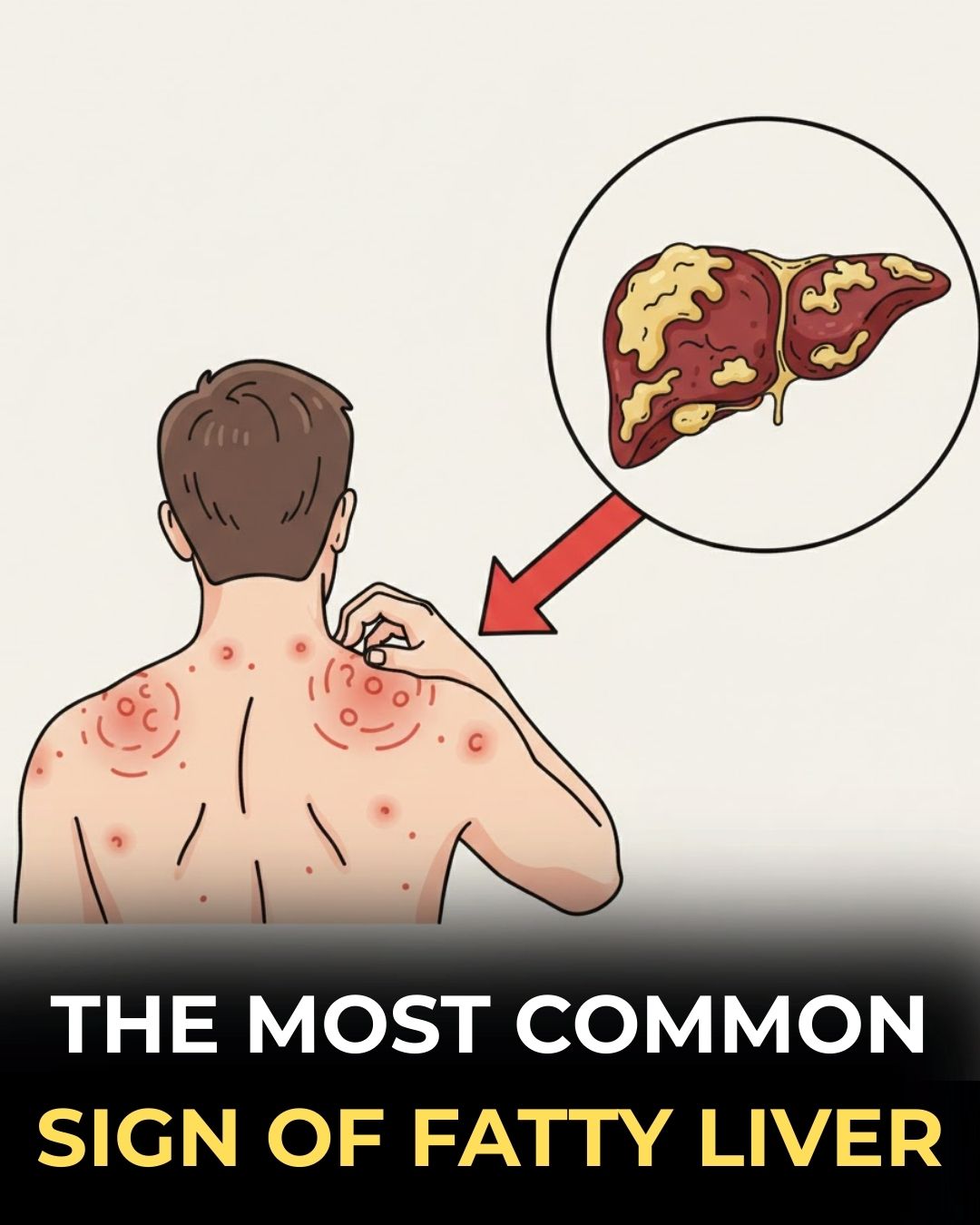
Asymptomatic fatty liver is often discovered during a routine health check-up. In fact, most people don’t actually have any symptoms, so it can be quite advanced once it is finally detected. However, some common symptoms of fatty liver disease include (3):
- Fatigue
- Abdominal pain or discomfort
- A general feeling of being unwell
- Weakness
- Jaundice (yellowing of the skin and eyes)
There are two main types of fatty liver disease:

- Alcoholic Fatty Liver Disease (AFLD): AFLD is caused by excessive alcohol consumption, and it is the most common type of fatty liver disease.
- Non-Alcoholic Fatty Liver Disease (NAFLD): NAFLD is more common than AFLD and is associated with metabolic disorders, such as obesity, type 2 diabetes, high blood pressure, and high cholesterol.
Prevention and Lifestyle-Based Management of Fatty Liver

Prevention and lifestyle-based management of fatty liver are essential due to its increasing prevalence linked to obesity and metabolic syndrome. By adopting healthy habits like balanced diet, exercise, weight management, and limiting alcohol intake, individuals can reduce the risk and progression of fatty liver, improving overall health and lessening the strain on healthcare systems.
Diet
Continue reading by clicking the ( NEXT 》 ) button below !