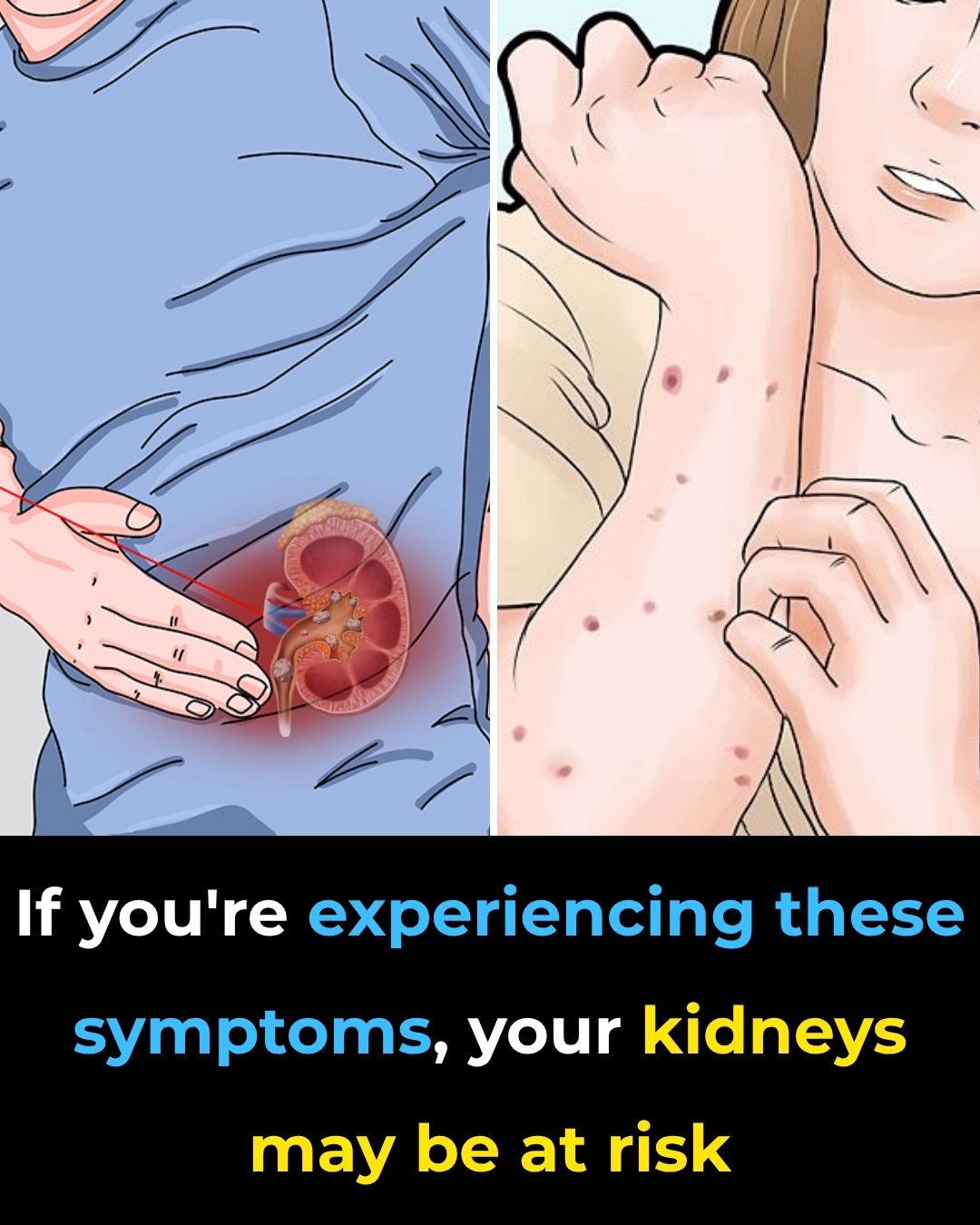
Early Signs of Kidney Disease & How to Protect Your Kidneys (Evidence-Based)
Kidney disease is a serious medical issue with an unfortunate prevalence in our society. According to the medical journal Primary Care, chronic kidney disease (CKD) affects approximately 13% of the U.S. population.
The scientific journal Kidney International Supplements identifies major risk factors such as high blood pressure, smoking, excessive alcohol consumption, and prolonged use of certain pain-relief medications.
Why the Kidneys Matter
Your kidneys are two bean-shaped organs, positioned on each side of your spine, and they play a vital role in maintaining internal balance. The Journal of Physiology describes the kidneys as “an organ of critical importance in physiology.”
They filter blood, remove waste, regulate minerals, and help control blood pressure. Without proper kidney function, the body cannot maintain a stable internal environment.
Your kidneys allow your body to:
-
Filter waste and toxins from the bloodstream
-
Maintain fluid and electrolyte balance (sodium, potassium, calcium)
-
Regulate blood pressure
-
Support healthy red blood cell production
-
Maintain strong bones through vitamin D activation
Early Signs of Kidney Disease You Should Never Ignore
Kidney disease can progress quietly for years because the early symptoms are subtle. Recognizing them early can prevent long-term damage.
Below are the most common early warning signs supported by medical research.
1. Persistent Fatigue and Low Energy
When kidneys fail to filter toxins efficiently, waste accumulates in the blood. This leads to fatigue, weakness, and trouble concentrating.
Decreased production of erythropoietin—a hormone made by the kidneys—also causes anemia, worsening tiredness.
2. Swelling in the Ankles, Feet, or Hands
Kidneys regulate sodium and fluid balance. When they begin to fail, excess fluid builds up in the tissues, causing noticeable swelling (edema), especially in the legs and ankles.