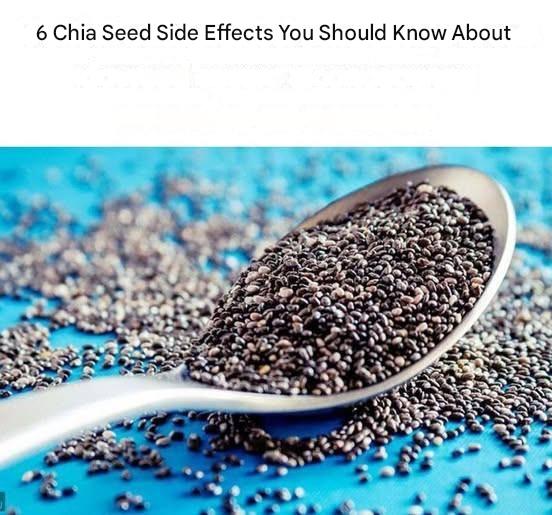
6 Side Effects of Chia Seeds You Should Know About
Chia seeds, a superfood dating back to Aztec times, are experiencing a resurgence in popularity. They're on every nutrition list as a rich source of fiber, omega-3 fatty acids, protein, vitamins, and minerals.
Although chia seeds are excellent as part of a balanced diet and are often promoted as a weight loss aid, it's possible to consume them in excess. Here are some side effects of chia seeds you should be aware of:
1. May cause constipation or diarrhea.
Chia seeds are extremely high in fiber, with nearly 11 grams per 30-gram serving, which represents a significant portion of the American Dietetic Association's recommended daily fiber intake of 38 grams for men and 25 grams for women. However, a high-fiber diet isn't suitable for everyone. Excessive fiber consumption can cause flatulence, constipation, or diarrhea.
It's recommended to consume chia seeds with plenty of water or soak them before eating. This makes them easier to digest and promotes the release of nutrients. For example, soaking a tablespoon of seeds in a cup of water overnight or grinding them for use in smoothies is recommended.
2. Choking may occur.
Chia seeds can pose a choking risk if consumed improperly. A Time magazine article highlighted this risk. Consuming the seeds without soaking or toasting them can lead to complications, including esophageal obstruction, which requires emergency medical attention.
In fact, dried seeds can absorb up to 27 times their weight in water, forming a gelatinous mass that can lodge in the esophagus, causing choking. It's therefore important to soak or toast them before consuming them.
3. They can inhibit blood clotting
Chia seeds are rich in omega-3 fatty acids, which give them natural blood-thinning properties. This can be beneficial in some cases, but if you are already taking anticoagulant medications such as warfarin, it is recommended to avoid chia seeds. Likewise, after surgery, it is best to avoid them to minimize the risk of excessive bleeding.
4. They can worsen diverticulitis
Continue reading by clicking the ( NEXT 》 ) button below !