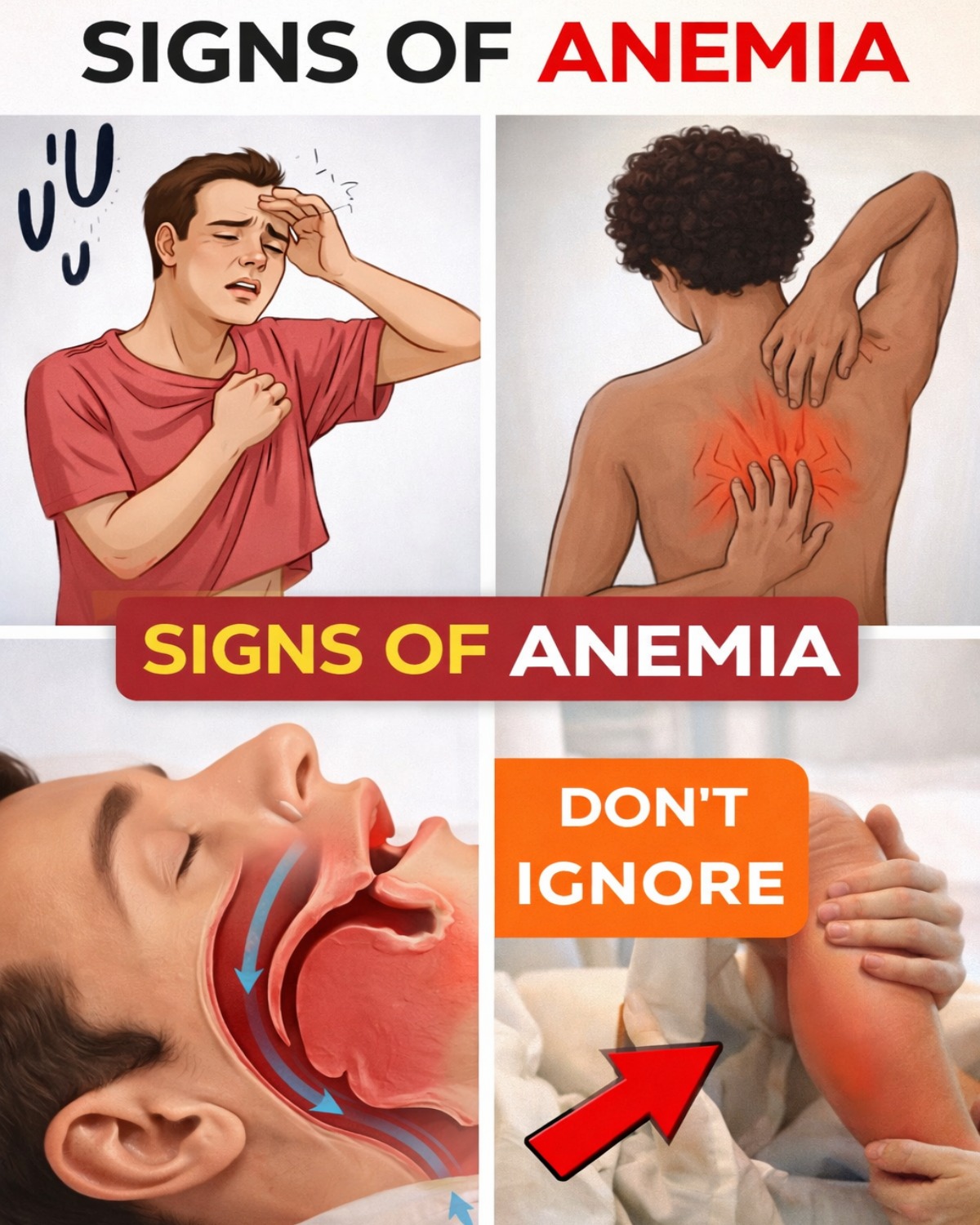
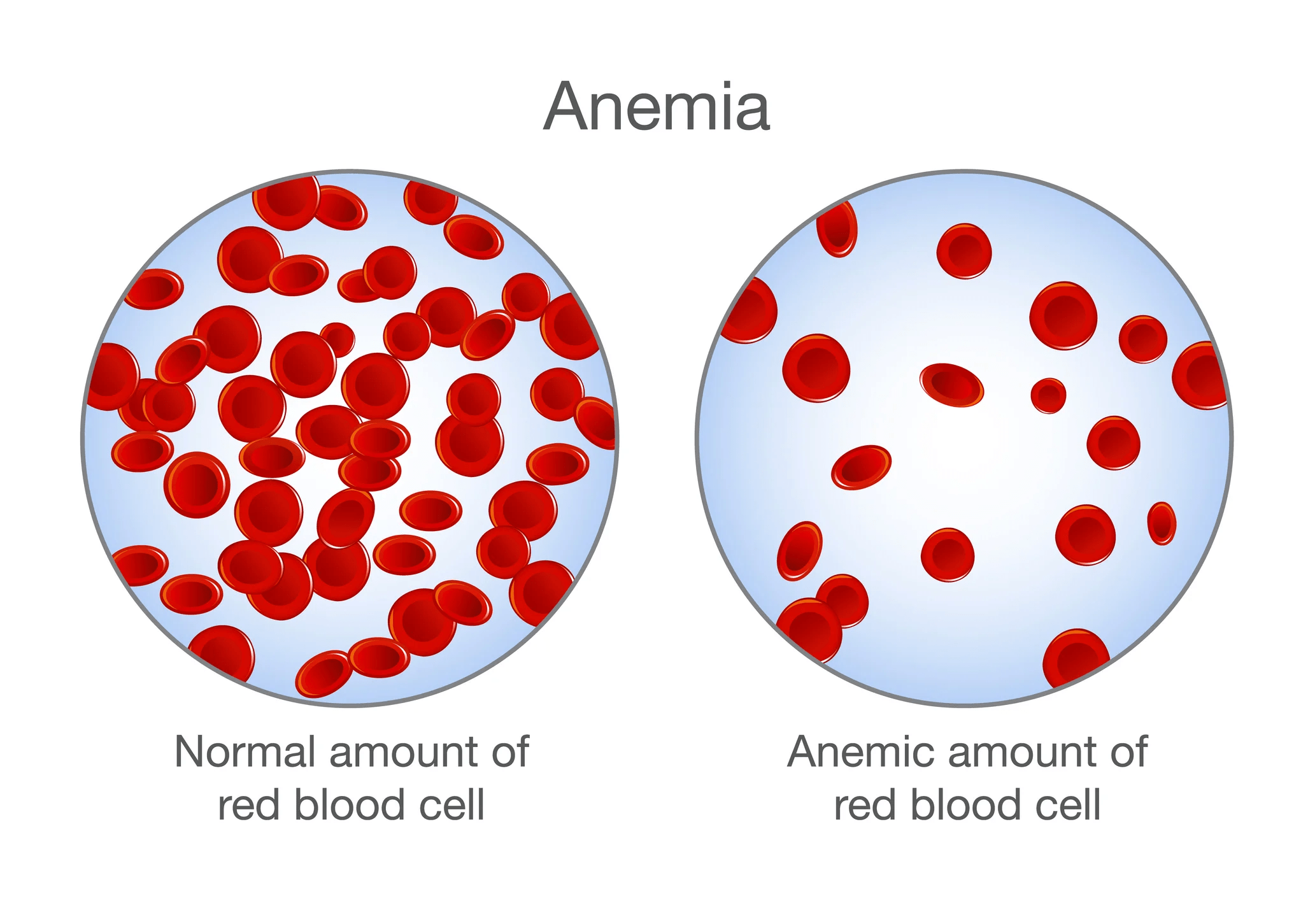
Have you ever felt unusually wiped out after a normal day, brushed it off as stress or poor sleep, only to realize weeks later something deeper was going on? Anemia—especially iron-deficiency anemia—often sneaks up quietly. It robs your body of enough healthy red blood cells to carry oxygen efficiently, leaving subtle clues that many dismiss as “just getting older” or “busy life.”
Millions live with undiagnosed anemia, particularly women, older adults, and those with heavy periods, poor diets, or chronic conditions. Research from sources like Mayo Clinic and Cleveland Clinic shows symptoms can be mild at first, worsening over time if ignored. Early spotting through simple blood tests can lead to quick fixes like diet changes or supplements.
The quiet danger? These signs overlap with everyday fatigue, thyroid issues, or aging—making them easy to overlook. What if one persistent feeling signals low hemoglobin? Let’s uncover 12 often-missed symptoms, starting with the most universal.
Why Anemia Feels “Silent” at First
Low iron or other deficiencies reduce hemoglobin, starving tissues of oxygen. Your body compensates quietly at first—heart works harder, breathing adjusts—but clues emerge. Fatigue tops lists, yet subtler ones like cold extremities or odd cravings reveal the truth sooner.
You might think, “Everyone’s tired sometimes.” True, but when multiple signs cluster without clear cause, anemia deserves checking.
The buildup is real: These symptoms often appear gradually, but noticing them early empowers action.
#12: Persistent, Unexplained Fatigue or Weakness
That bone-deep exhaustion that rest doesn’t fix—waking up tired, struggling through routine tasks. Fatigue ranks as the #1 symptom in nearly every study, yet people blame stress or age.
Oxygen shortage saps energy cells need. Mayo Clinic notes extreme tiredness often appears first, even in mild cases.
But fatigue alone rarely prompts action—until paired with the next clue.
#11: Feeling Short of Breath with Minimal Effort
Climbing stairs or walking short distances leaves you winded. Mild activity suddenly feels taxing.
Low oxygen delivery forces lungs and heart to compensate. Cleveland Clinic highlights this as a classic yet overlooked sign, especially when it creeps in slowly.
You could wonder, “Am I just out of shape?” If it worsens without lifestyle changes, test hemoglobin.
Hold on—the heart often shows strain next.
#10: Rapid or Irregular Heartbeat (Palpitations)
Your heart races at rest, flutters, or pounds noticeably—sometimes with chest discomfort.
The heart pumps harder to circulate oxygen-poor blood. WebMD and Mayo Clinic list this as common but frequently dismissed as anxiety.
Many report “whooshing” in ears too. If paired with fatigue, it’s a strong clue.
Excitingly (or concerningly), temperature regulation falters.
#9: Constantly Cold Hands and Feet
Your extremities feel icy, even in warm rooms—socks and blankets don’t help much.
Poor circulation from low red cells prioritizes core organs. Dietitians and Prevention note this as a surprising, often-ignored sign.
Skeptical? Check alongside pale skin for a clearer picture.
#8: Pale or Yellowish Skin (Pallor)
Continue reading by clicking the ( NEXT 》 ) button below !

Postal Savings Book: What You Should Know (And That No One Ever Told You)

THE NUMBER OF DOGS YOU SEE REVEALS YOUR MENTAL AGE 🐶

Don’t toss those worn dish towels just yet. Here are 10 clever ways to reuse them
Don’t toss those worn dish towels just yet. Here are 10 clever ways to reuse them
5 Common Medications Doctors Often Approach with Caution for Long-Term Use