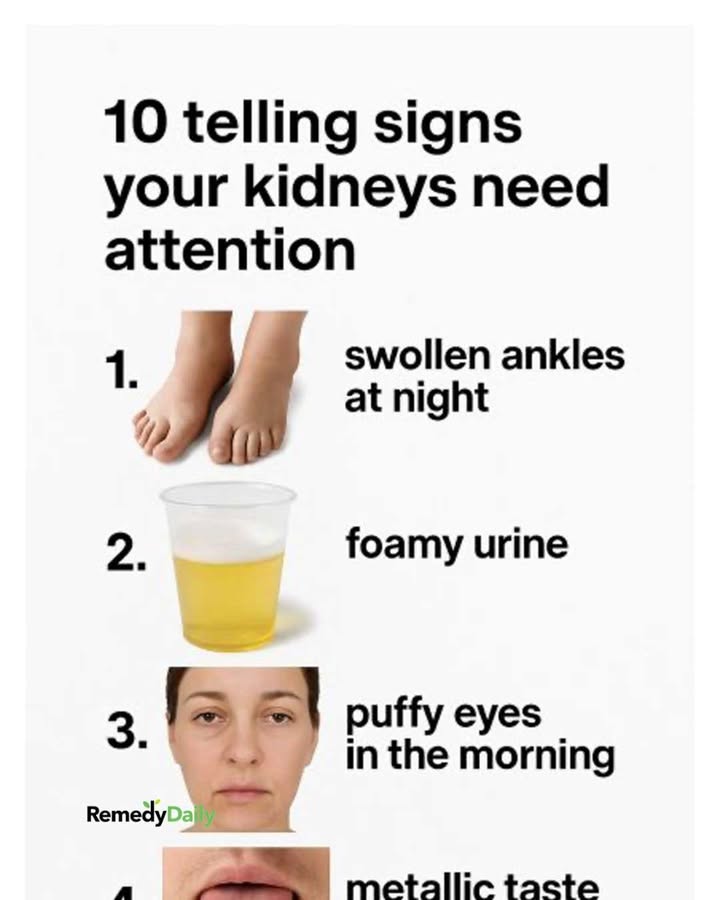
The kidneys are vital organs that perform several crucial functions, including filtering waste products from the blood, balancing fluids, and regulating blood pressure. When kidneys are not functioning properly, it can lead to various health issues that might not be immediately apparent. Recognizing the early signs of kidney problems can lead to timely medical intervention and potentially prevent more serious complications.
Many people often overlook the subtle indications of kidney issues, mistaking them for other less serious conditions. However, paying attention to these signs can be lifesaving. In this article, we will explore ten telling signs that your kidneys may need attention. By understanding these signs, you can seek medical advice at the right time and take appropriate measures to protect your kidney health.
Advertisement
1. Persistent Fatigue and Weakness
One of the earliest signs of kidney problems is a persistent feeling of fatigue and weakness. Healthy kidneys produce a hormone called erythropoietin (EPO), which stimulates the production of red blood cells that carry oxygen throughout the body. When kidney function declines, there is a decrease in EPO production, leading to anemia, which can cause fatigue and weakness.
If you find yourself feeling unusually tired after regular activities or needing to rest more often, it might be an indication that your kidneys are not functioning optimally. While fatigue can result from many factors, when combined with other symptoms, it's a sign that should not be ignored.
2. Swollen Ankles and Feet, Especially at Night
Swelling in the ankles and feet, also known as edema, can be a sign of kidney dysfunction. When kidneys are not filtering properly, excess sodium and fluid accumulate in the body, leading to swelling. This is often more noticeable in the lower extremities due to gravity.
If you notice that your shoes feel tighter or that your socks leave deep marks on your ankles, particularly in the evening, it could be a sign that your kidneys are struggling to maintain the right balance of fluid and electrolytes. Persistent or worsening swelling should be evaluated by a healthcare professional.
3. Changes in Urination Patterns
Alterations in urination, such as increased frequency, especially at night (nocturia), or changes in the amount and color of urine, can indicate kidney issues. You might notice that your urine becomes foamy or that you have difficulty urinating.
These changes occur because the kidneys' filtering ability is compromised, affecting the concentration and composition of urine. It's important to monitor these changes and consult with a doctor if they persist, as they can be early indicators of kidney disease.
4. Foamy or Bubbly Urine
Foamy or bubbly urine can be a sign of proteinuria, which means there is an excess of protein in the urine. Healthy kidneys prevent protein from being excreted, but when they are damaged, this barrier fails, and protein passes into the urine.
While occasional bubbles in urine can be normal, persistent foaminess should prompt a visit to the doctor. A simple urine test can determine if there is protein in your urine and help diagnose potential kidney problems.
5. Blood in Urine
The presence of blood in the urine, known as hematuria, can indicate kidney disease. Healthy kidneys filter waste from the blood to create urine while keeping blood cells in the body. When the kidneys' filtering units are damaged, blood cells can leak into the urine.
Blood in the urine can appear pink, red, or cola-colored and may not always be visible to the naked eye. If you notice this symptom, it's essential to seek medical advice promptly to determine the underlying cause.
6. Shortness of Breath
Shortness of breath can occur due to several reasons related to kidney dysfunction. Excess fluid in the body can build up in the lungs, making it difficult to breathe. Additionally, anemia caused by reduced production of erythropoietin can result in less oxygen being delivered to the body, leading to breathlessness.
If you experience sudden or unexplained shortness of breath, especially if it's accompanied by other symptoms of kidney issues, it's important to consult a healthcare provider to evaluate your kidney function and overall health.
7. Persistent Puffiness Around the Eyes, Especially in the Morning
ADVERTISEMENT
ADVERTISEMENT
Continue reading by clicking the ( NEXT 》 ) button below !